‘Is a multi-currency bank account a need for us?‘ is a common question many business owners and decision-makers ask.
A business in the contemporary global economy often requires engaging with international clients, suppliers, and diverse financial requirements.
This article will explore the advantages, scenarios, and considerations that can help you determine whether a multi-currency bank account is the ideal solution for your business.
What Is a Multi-Currency Bank Account?
A multi-currency bank account allows businesses to hold, receive, and send multiple foreign currencies within one account. Instead of maintaining separate foreign currency accounts for each country, it consolidates various currencies in one place, simplifying financial management.
This account type is ideal for businesses involved in international trade, e-commerce, or providing services to clients across different countries. Companies engaged in cross-border activities benefit from easier financial operations by streamlining accounting and reducing the administrative burden of managing several business accounts.
With a multi-currency account, businesses can manage foreign exchange more effectively, avoid costly conversion fees, and respond quickly to market changes. This setup also reduces the complexity of handling international transactions with customers and suppliers, providing flexibility for global success.
Multi-Currency Account vs. Foreign Currency Account
A foreign currency account holds a single currency, whereas multi-currency accounts allow the management of different currencies in one place. A multi-currency account is more efficient and cost-effective for businesses dealing with multiple foreign currencies than maintaining several foreign currency accounts.
This centralization reduces the administrative complexity of juggling multiple foreign currency accounts, offering greater flexibility for currency exchange. It simplifies financial planning, auditing, and reporting, helping businesses maintain compliance and monitor overall financial health.
Benefits of a Multi-Currency Bank Account
A multi-currency account offers significant advantages for businesses dealing with foreign transactions. These accounts enhance efficiency and support growth in global markets by simplifying currency management and reducing costs.
Simplified Currency Management
A multi-currency account consolidates foreign currencies into one account, streamlining operations and reducing administrative effort.

Businesses can track foreign exchange activity in real-time, ensuring compliance with financial regulations and reducing errors. This consolidation allows businesses to analyze how exchange rate markups affect profits and make quicker, informed decisions that benefit financial stability.
Reduced Currency Conversion Costs
Frequent conversions across major currencies can result in high fees. With a multi-currency account, businesses avoid unnecessary foreign exchange conversions by holding foreign currency until needed.
This strategy minimizes conversion costs, allowing businesses to convert when rates are most favorable. These savings can be critical for SMBs and expanding businesses, reducing overhead and allowing competitive pricing or investment in growth.
Faster Global Payments
Multi-currency accounts accelerate global payments by enabling businesses to send and receive money directly in the required currency, bypassing prolonged conversion processes.
Faster global payments improve supplier relationships, offering opportunities for better terms or discounts for prompt payment, which can strengthen the supply chain and enhance overall cash flow.

Competitive Exchange Rates
Holding multiple currencies in a single account provides access to more favorable exchange rates.
Businesses can capitalize on rate fluctuations and optimize their conversion timing. Many providers offer competitive fees and rates on multi-currency accounts, helping account holders manage expenses more efficiently and keep pricing strategies flexible, especially in international markets.
Enhanced Cash Flow Management
By maintaining balances in various currencies, businesses gain better control over cash flow. A multi-currency account reduces the frequency of conversions, simplifying cash flow planning and improving financial stability.
Businesses can manage their revenues and expenses more strategically, ensuring sufficient liquidity to meet obligations and maintain a positive cash flow even during market fluctuations.

Flexibility for International Business
With a multi-currency account, businesses can accept payments and transact in the customer’s preferred currency, improving relationships with international clients and suppliers.
This flexibility reduces friction in foreign transactions and enhances trust, offering a competitive advantage in global markets. Businesses that provide seamless global payments often outperform competitors with more complex processes, making them more attractive partners for international dealings.
What Businesses Can Benefit from a Multi-Currency Bank Account?
Multi-currency business accounts are highly beneficial for various types and sizes of businesses, especially those engaging with international clients, operating cross-border supply chains, or expanding globally.
1. E-Commerce Businesses
E-commerce businesses selling internationally can benefit by accepting payments in foreign currencies through multi-currency accounts.
These accounts simplify the currency conversion process and lower fees, increasing conversion rates and reducing cart abandonment. Offering customers the option to pay using their preferred payment method and currency enhances user experience, loyalty, and repeat sales.
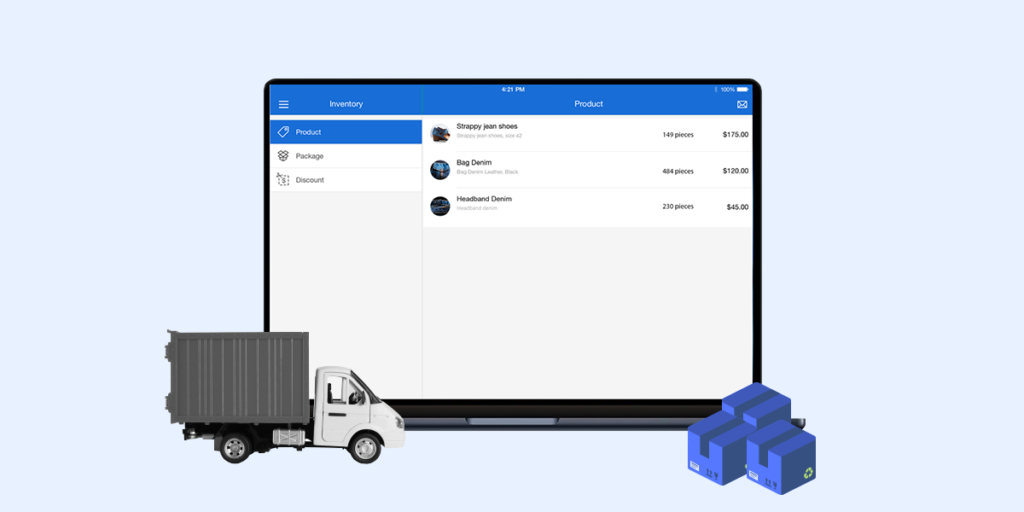
E-commerce and other retail businesses can scale globally with local account details, offering foreign exchange options that reduce friction and boost customer payments.
2. Import and Export Businesses
Companies involved in import/export can better manage exchange rate risks with multi-currency accounts by holding multiple foreign currencies. This approach mitigates foreign exchange volatility and stabilizes costs, improving international trade profitability.

For example, an importer of European goods and an exporter to Asia can hold foreign currencies such as euros and Asian currencies, allowing better planning and cost control.
3. International Investment Firms
Investment firms managing portfolios across markets benefit from multi-currency accounts to convert funds efficiently and take advantage of favorable rates. These accounts streamline the movement of capital between countries and currencies, which is crucial for quick, strategic decisions in fast-moving markets.
Holding foreign currencies enables firms to capitalize on profitable opportunities without delays or added fees.
4. Single-person Businesses and Service Providers
Single-person businesses and small service providers with international clients can receive payments and hold foreign currency without excessive transfer fees and conversion rates. Offering clients the option to pay in their currency speeds up payments and simplifies income management.

For those frequently working with clients worldwide, the flexibility of multi-currency accounts reduces delays and makes financial management more efficient.
If they bill mostly in USD, a single USD account can be enough. With Bancoli, they can send a USD invoice and share named USD account details so clients pay by ACH, RTP, US domestic wire or stablecoins.
5. Businesses Expanding Internationally
For businesses expanding into new markets, multi-currency accounts simplify financial operations by allowing them to accept payments in local currencies without opening separate bank accounts. This reduces the complexity of managing different currencies, helping companies focus on growth rather than logistical challenges.
Expansion becomes more efficient when financial management can be consolidated into one account, streamlining processes like sending money overseas and managing foreign exchange costs.
How to Determine If You Need a Multi-Currency Bank Account

Take this short quiz to assess whether a multi-currency account can benefit your business:
1. Do you have clients or customers in countries that use different currencies?
A multi-currency account simplifies receiving payments in foreign currencies by allowing clients to pay in their preferred currency, reducing transfer fees, conversion rates, and delays.
- a) Yes, frequently
- b) Occasionally
- c) No, rarely or never
2. How often do you make payments to international suppliers or vendors?
By holding multiple currencies in one account, businesses that frequently transfer money abroad can save on conversion fees and gain more control over timing payments.
- a) Regularly (monthly or more)
- b) Occasionally (a few times a year)
- c) Rarely or never
3. Does your business incur expenses in multiple currencies?
If your business regularly incurs expenses in foreign currencies, a multi-currency account helps maintain currency balances, reduces the need for constant conversions, and cuts fees.
- a) Yes, often
- b) Sometimes
- c) No, rarely or never
4. Are you planning to expand your business into new international markets?
International expansion often requires managing foreign currencies, accepting payments from global customers, and working with local bank details, all of which can be streamlined by a multi-currency account.
- a) Yes, actively planning or currently expanding
- b) Considering it for the future
- c) No plans at this time
5. How concerned are you about fluctuating exchange rates?
Exchange rate volatility can impact profitability. A multi-currency account lets you hold funds in various currencies and convert them when the rates are favorable, helping mitigate risks.
- a) Very concerned
- b) Somewhat concerned
- c) Not concerned
Scoring: Is Your Business Ready for a Multi-Currency Bank Account?

- Mostly A’s: If your business does not use a multi-currency account, it is the ideal candidate. Your business likely deals with multiple currencies regularly, and you could benefit significantly from managing currency balances, reducing currency conversion fees, and improving international payment processes.
- Mostly B’s: A multi-currency account could be beneficial, especially if your business expands internationally or increases cross-border transactions. Managing multiple currencies efficiently can save time and money as your business’s global presence grows.
- Mostly C’s: A multi-currency account may not be urgent now, but having more flexibility is worth considering as part of having your business open to new opportunities and engaging more with international clients and suppliers.
Bancoli: Get Paid in USD and Pay Suppliers in Their Currency
If you manage international clients and suppliers but bill mostly in USD, you may not need to hold several currencies. With the Smart USD Wallet, you get one USD balance with named USD account details on every plan, including Free, once verified. Clients pay you by ACH, RTP, US domestic wire and stablecoins.
No need to manage separate accounts in different countries. When you pay suppliers abroad, Bancoli sends local payouts with free FX in 25+ currencies, and Bancoli is available in 150+ countries.
Plans and prices are listed on the Bancoli pricing page.
Pay Out in Local Currencies with Ease
Bancoli keeps one USD balance and converts at payout, when you pay a supplier abroad. This avoids repetitive conversions and keeps international payouts simple.

Streamlined Payment Process for Global Businesses
Bancoli invoicing helps accelerate cash flow. Clients pay your USD invoices by ACH, RTP, US domestic wire, stablecoins or payments between Bancoli accounts. Bancoli does not process card payments.
These tools simplify the payment process, allowing you to track and manage invoices, schedule payments, and set payment deadlines with ease.
Secure and Reliable for Peace of Mind
Security is a priority at Bancoli. Accounts and transactions are protected with encryption and two-factor authentication. Banking services are provided by regulated providers, including Bancoli’s affiliated chartered bank. You control your funds. Bancoli does not own or control them. Smart USD is not a deposit and is not FDIC-insured.

Why Bancoli Is a Practical Choice for Global Businesses
Bancoli combines named USD account details, free FX in 25+ currencies on payouts, and secure infrastructure in one place. It helps you reduce costs, simplify financial operations, and adapt quickly to changing market needs. This makes it a strong partner for growth in the global market.
Conclusion
A multi-currency bank account can be valuable for businesses with international customers, suppliers, or investments. It provides flexibility, cost savings, and convenience by allowing you to manage multiple currencies within a single account.
Whether you aim to optimize international payments, manage currency risk, or expand into new markets, a multi-currency account may be the financial solution for your business.
Assessing your business’s needs and considering factors such as transaction fees, exchange rates, and risk management can help you decide whether a multi-currency account is the right fit. As global commerce expands, having the appropriate financial tools will ensure your business remains competitive and well-prepared for future opportunities.
Streamlining international transactions, reducing costs, and efficiently managing multiple currencies can give your business a strategic edge and enable you to focus on growth and success in the global marketplace.